
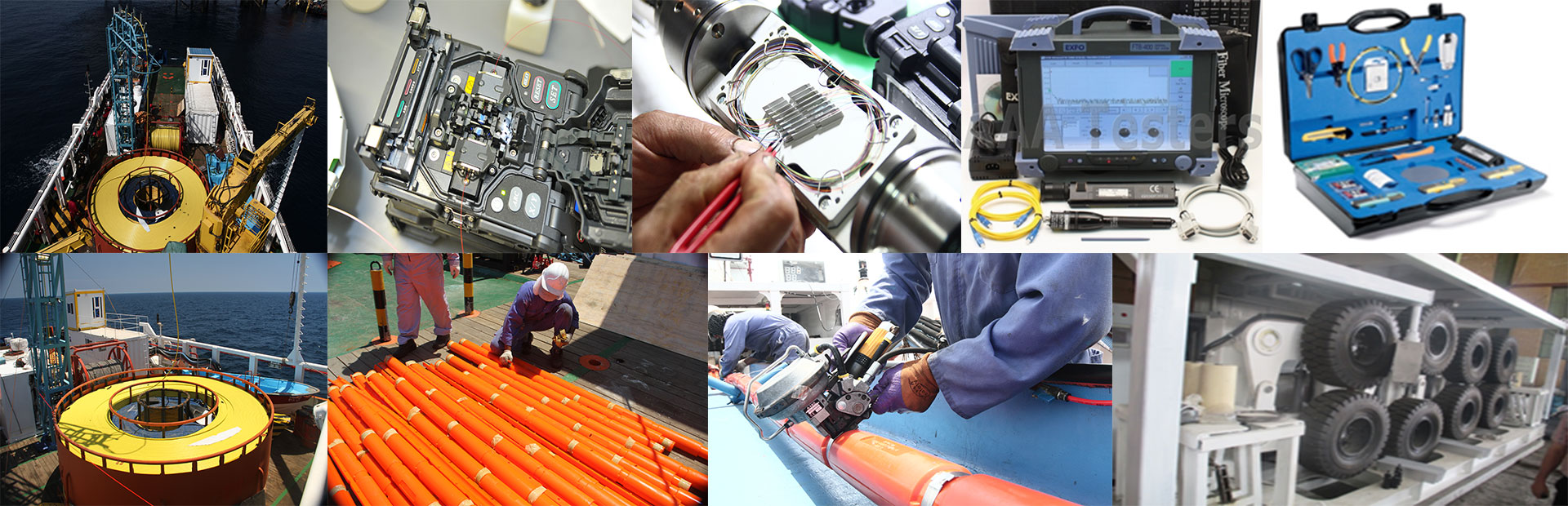
Submarine cable Services Equipment
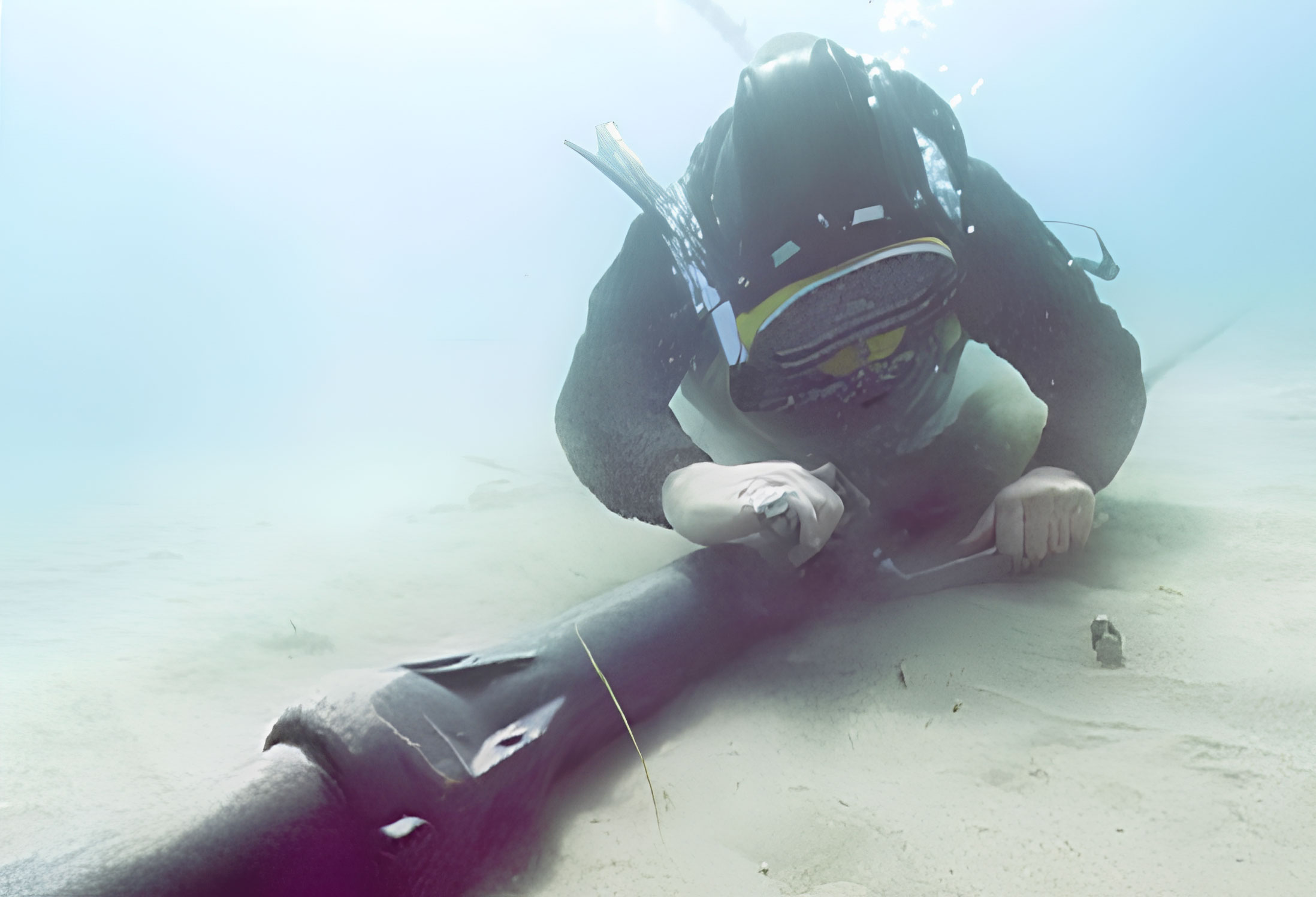
Articulated Submarine Cable
Description: Articulated cables are a critical component in global telecommunications infrastructure. These cables are designed to transmit data across oceans, connecting continents for internet and communication networks. The diver appears to be performing maintenance or inspection tasks on the cable, which is laid on the ocean floor. designed to be flexible, allowing them to navigate curves and bends easily. They are commonly used in applications requiring continuous motion.
Key Features:
High durability and flexibility
Ability to withstand repeated bending.
Physical Specs:
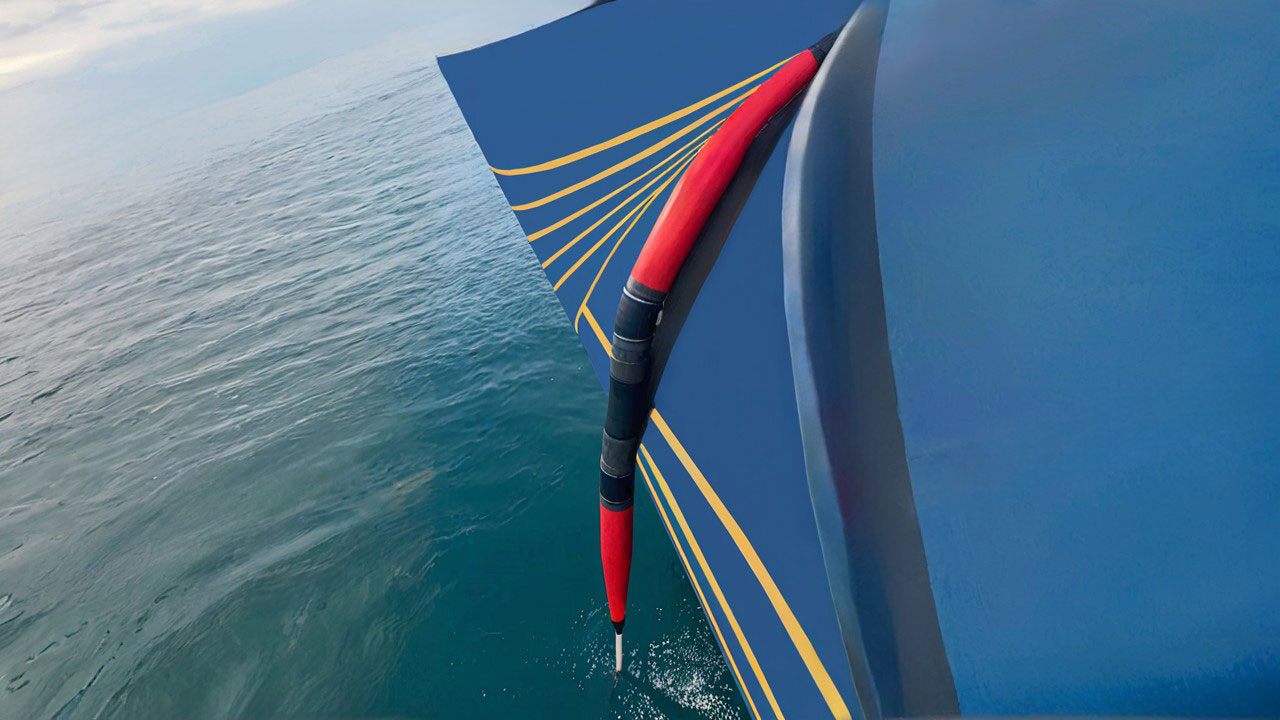
Cable Chute
Description: A cable chute directs cables during installation to minimize damage, guiding the cable into trenches or conduits.
Key Features:
Lightweight design, often made from plastic or metal.
Can be modular for easy assembly and transport.
Physical Specs: Standard lengths range from 1 to 3 meters with variable widths.
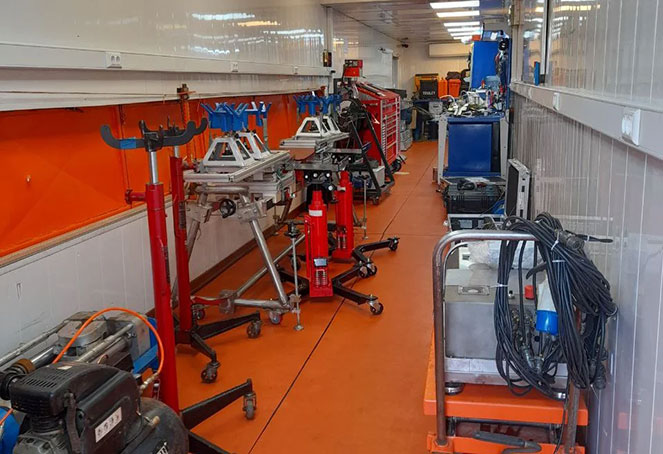
Cable Maintenance Clean Room
Description: A clean room designed for the maintenance and repair of delicate cables, ensuring a contamination-free environment.
Key Features:
HEPA or ULPA filtration systems.
Temperature and humidity control.
Physical Specs: Built based on the specific operational needs, typically featuring multiple workstations.
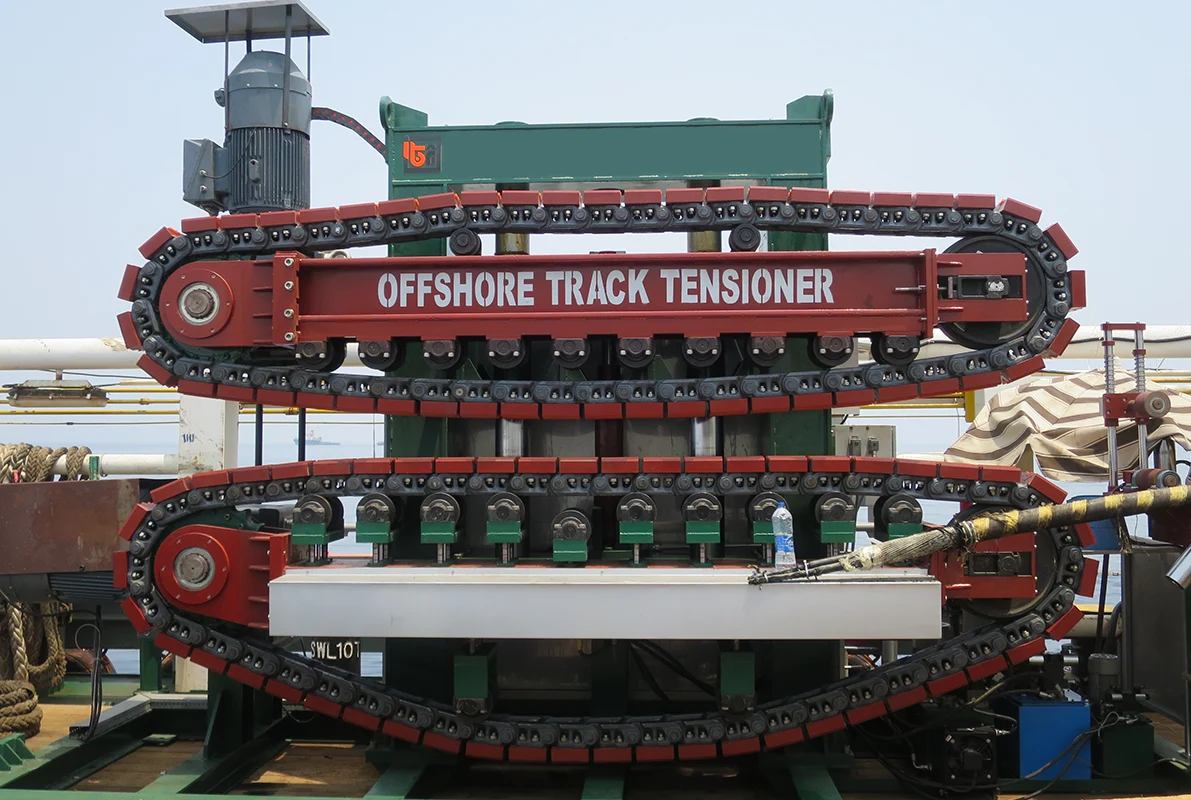
Cable Tensioner
Description: A equipment to ensure that cables are laid at the correct tension, preventing kinking or stretching.
Key Features:
Equipped with sensors for real-time tension monitoring.
Can be automated or manual.
Physical Specs: Usually incorporates a robust frame with adjustable settings for various cable types.
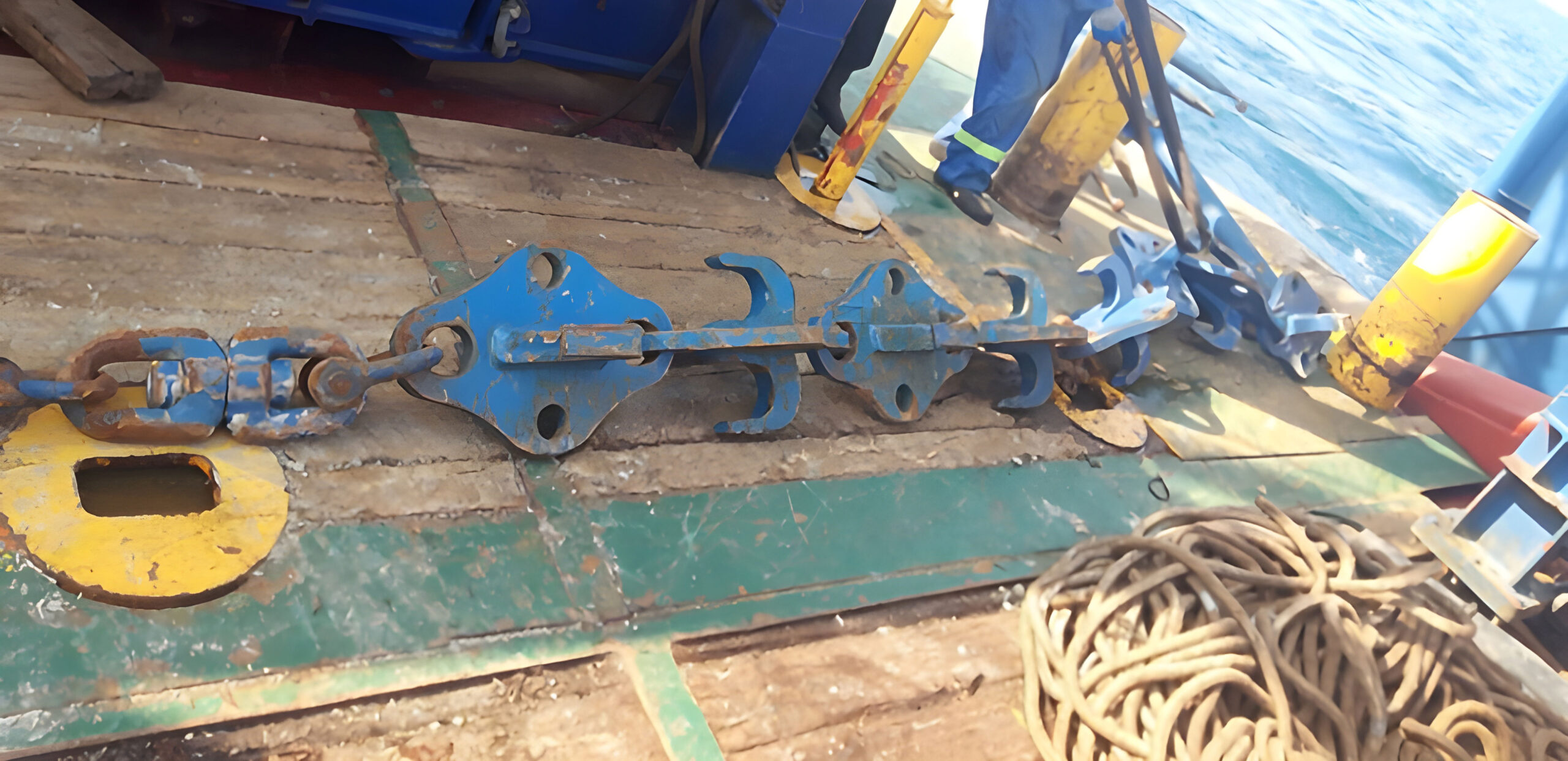
Grapnel
Description: A multi-pronged device used to retrieve or place cables underwater or in difficult-to-reach areas.
Key Features:
Adjustable prongs for varied applications.
Durable materials to withstand underwater conditions.
Physical Specs: Length can vary, generally from 0.5 to 1.5 meters.
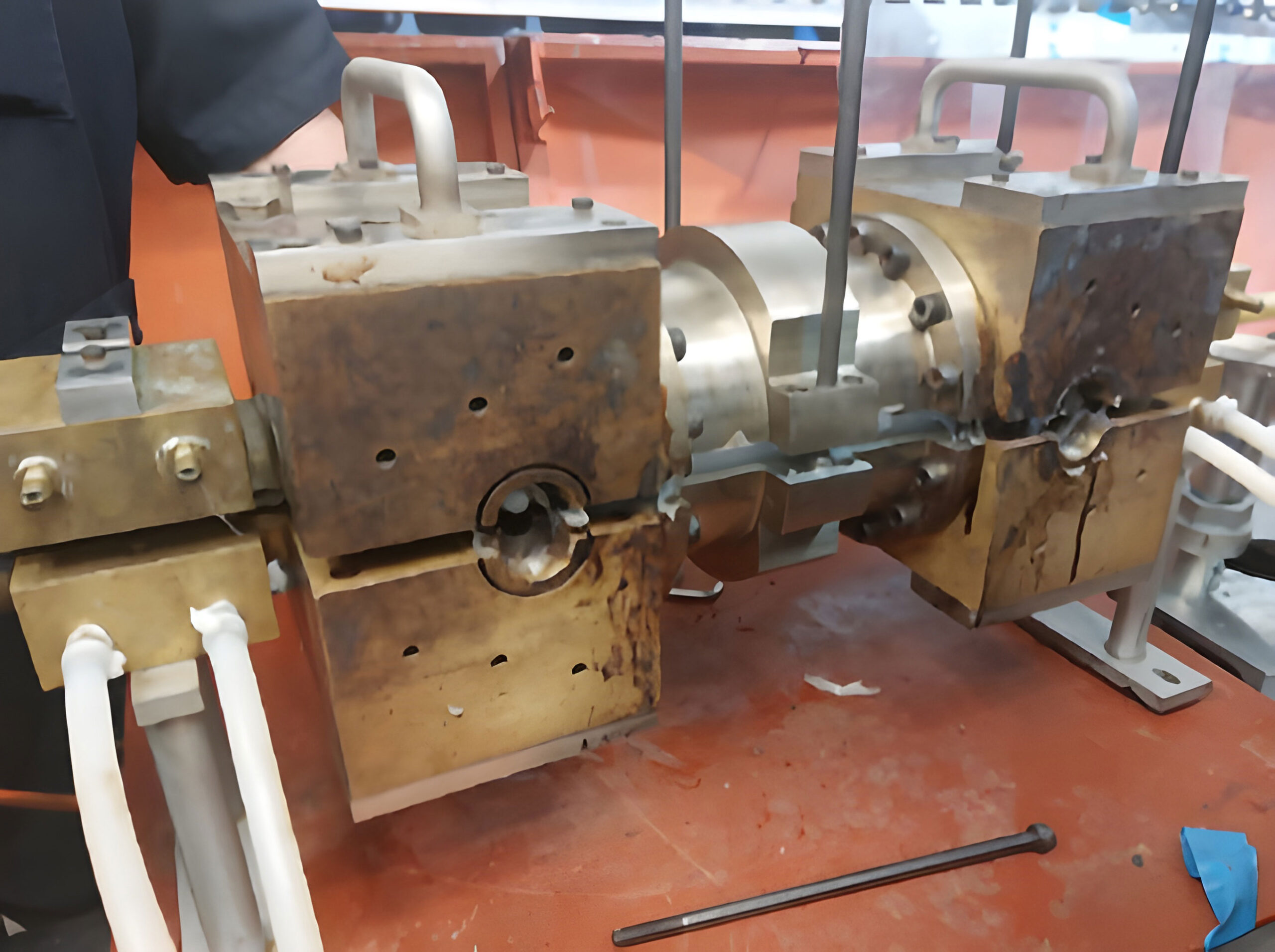
Joint Molding Block
Description: The process of creating protective moldings around cable joints to ensure structural integrity and moisture resistance.
Key Features:
Typically uses thermoplastic or epoxy for waterproofing.
Molds can be designed for various cable types.
Physical Specs: Molding sizes vary based on cable diameters.
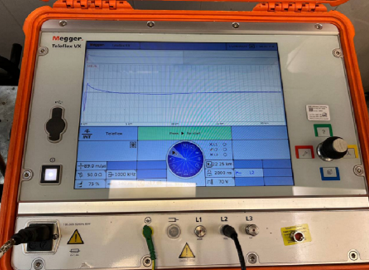
Megger
Description: An instrument used to test the insulation resistance of electrical circuits and cables.
Key Features:
Provides multiple resistance measurement ranges.
Compact and portable design.
Physical Specs: Generally ranges from 1 kg to 2 kg in weight.
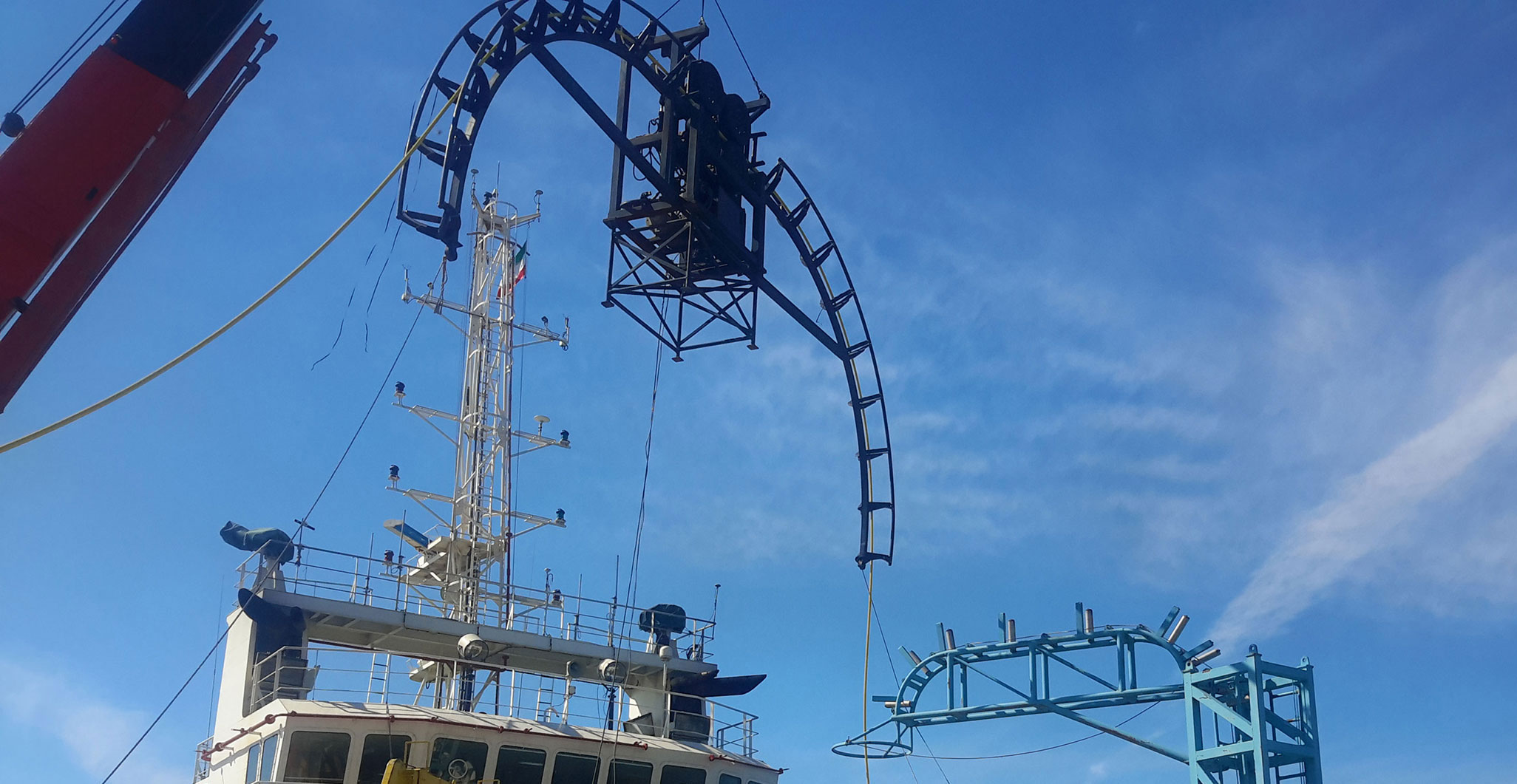
Open Top Container & Motorized Quadrant
Description: Used to facilitate the transportation of cable spools and manage cable feeds during installation.
Key Features:
Motorized options allow for easy unwinding of cable.
Open top design allows easy access for loading/unloading.
Physical Specs: Common sizes for containers are around 2 meters in length.
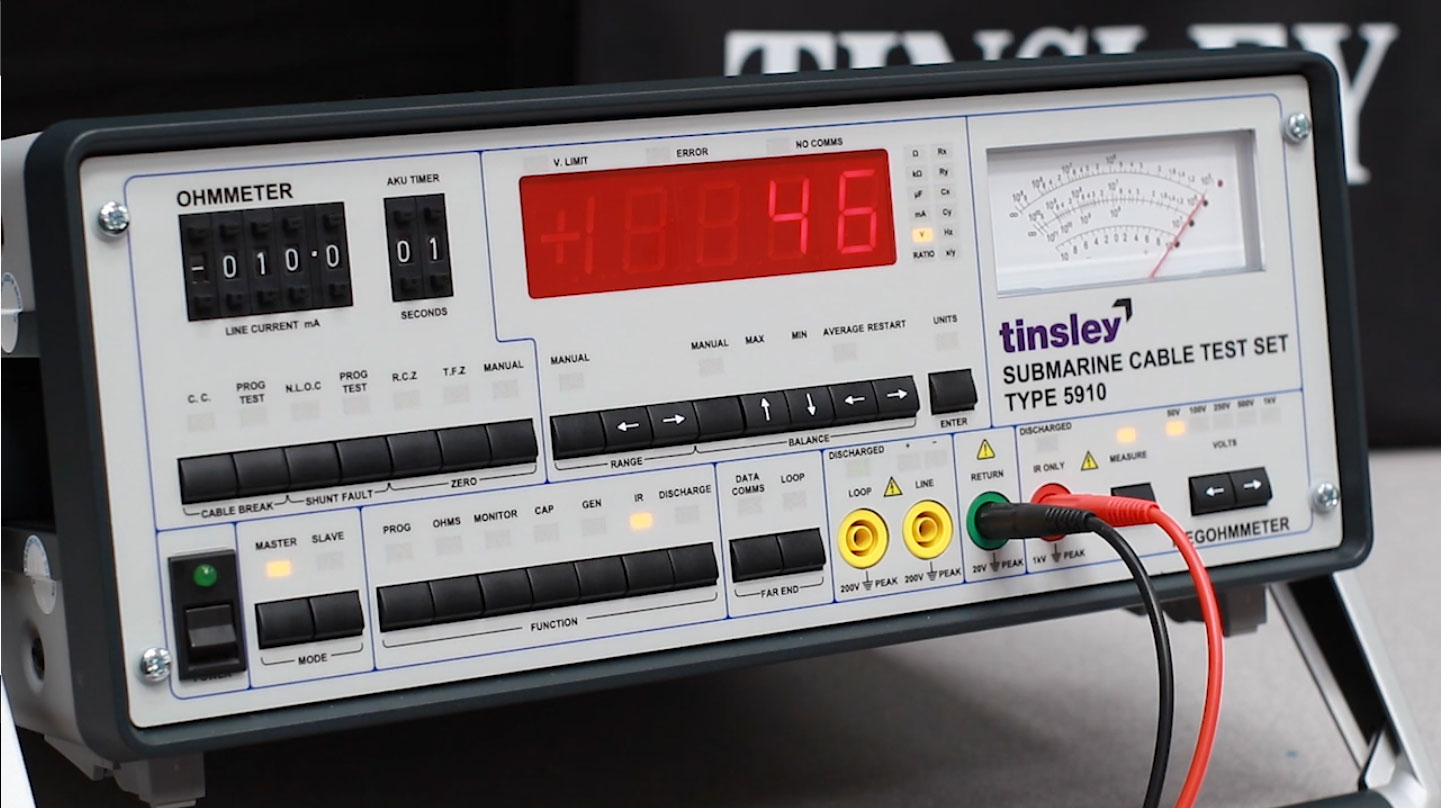
Shant Fault (Tinsley)
Description: A diagnostic tool specifically designed for detecting and locating faults in underground cables.
Key Features:
High sensitivity and accuracy in fault detection.
Handy for quick onsite assessments.
Physical Specs: Compact, often portable, dimensions around the size of a laptop.
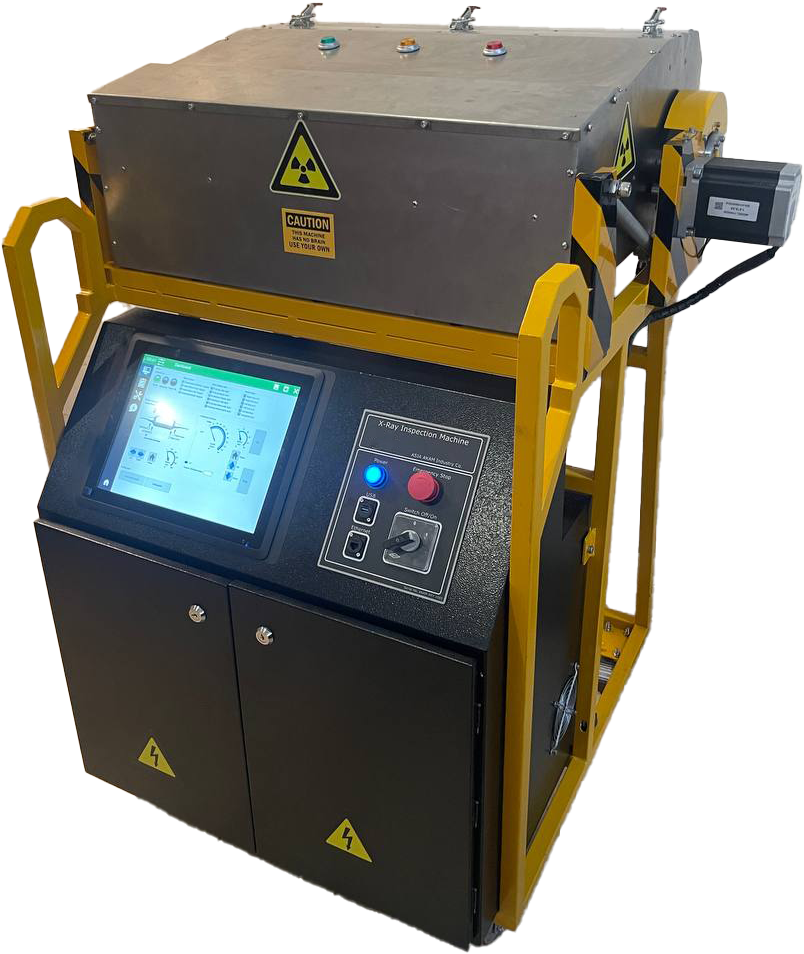
X-Ray Scanning Unit
Description: Equipment used for inspecting cables internally for integrity without destructive testing.
Key Features:
Non-invasive testing method.
Provides detailed imaging for quality assessment.
Physical Specs: Equipment size varies greatly, and portable units are common.